Retail Media and AI Are Making Out-of-Home Programmatic. Is Your Plan Ready?

September 28, 2026
Blog

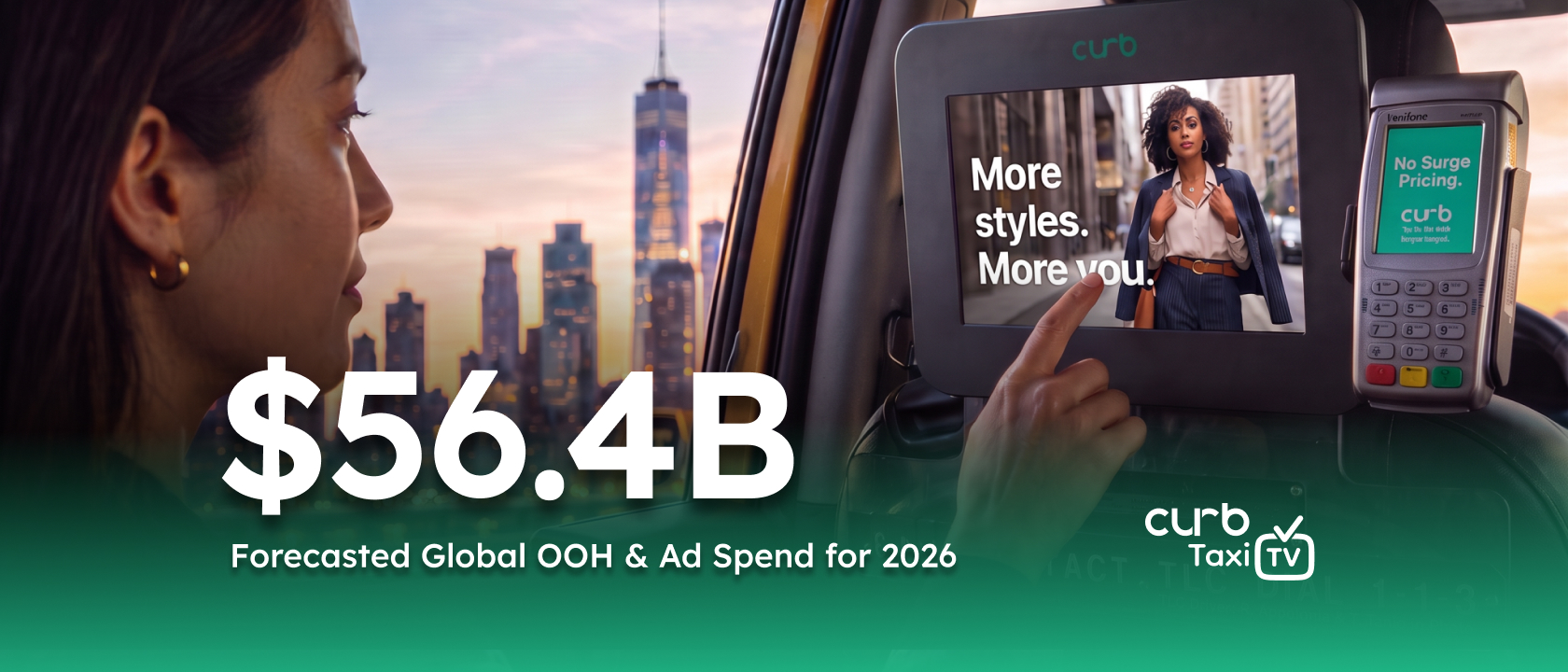
Global out-of-home ad spend hit $54.2 billion in 2025, up 15% year over year, and is forecast to reach $56.4 billion in 2026, according to the World Out of Home Organization. The bigger shift is inside that number: digital out-of-home already makes up 47% of global OOH spend and is on pace to cross 49% in 2026, finally giving buyers the kind of addressability that retail media and AI-driven buying have trained them to expect everywhere else.

Two of the biggest shifts in advertising right now — the rise of AI-driven media buying and the growth of retail media networks — are reshaping out-of-home advertising too, faster than most buyers realize.

Retail media, once mostly a story about on-site search ads and sponsored product placements, is expanding into physical and connected environments as retailers and their media arms look for ways to extend first-party data beyond their own apps and websites. It's moving fast: retail media reached 15.4% of global digital ad spend in 2025, up 17.6% year over year, and in the U.S. alone, off-site retail media spend jumped 27.1% to $13.5 billion, per eMarketer.

At the same time, AI-powered platforms are making programmatic buying faster and more automated, letting media teams activate and optimize campaigns across many channels from a single, data-informed workflow.

Out-of-home has historically sat outside both trends. A static billboard can't be targeted by CRM match or optimized in real time. But a growing share of OOH inventory, especially in connected vehicles, has quietly become just as addressable as digital and it's still early: programmatic buying accounts for only about $2.1 billion, or 8.4%, of global DOOH spend today, according to the World Out of Home Organization, which means media teams that move now have a real head start.

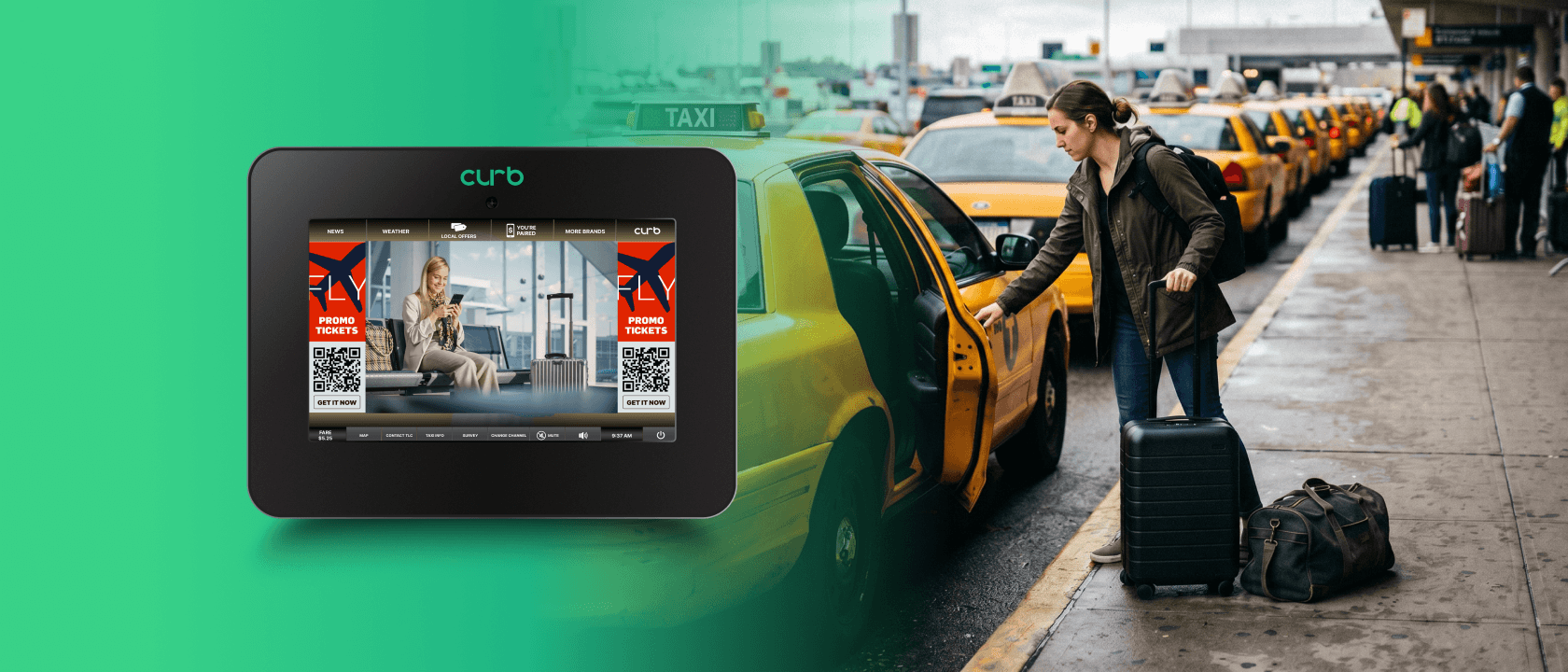
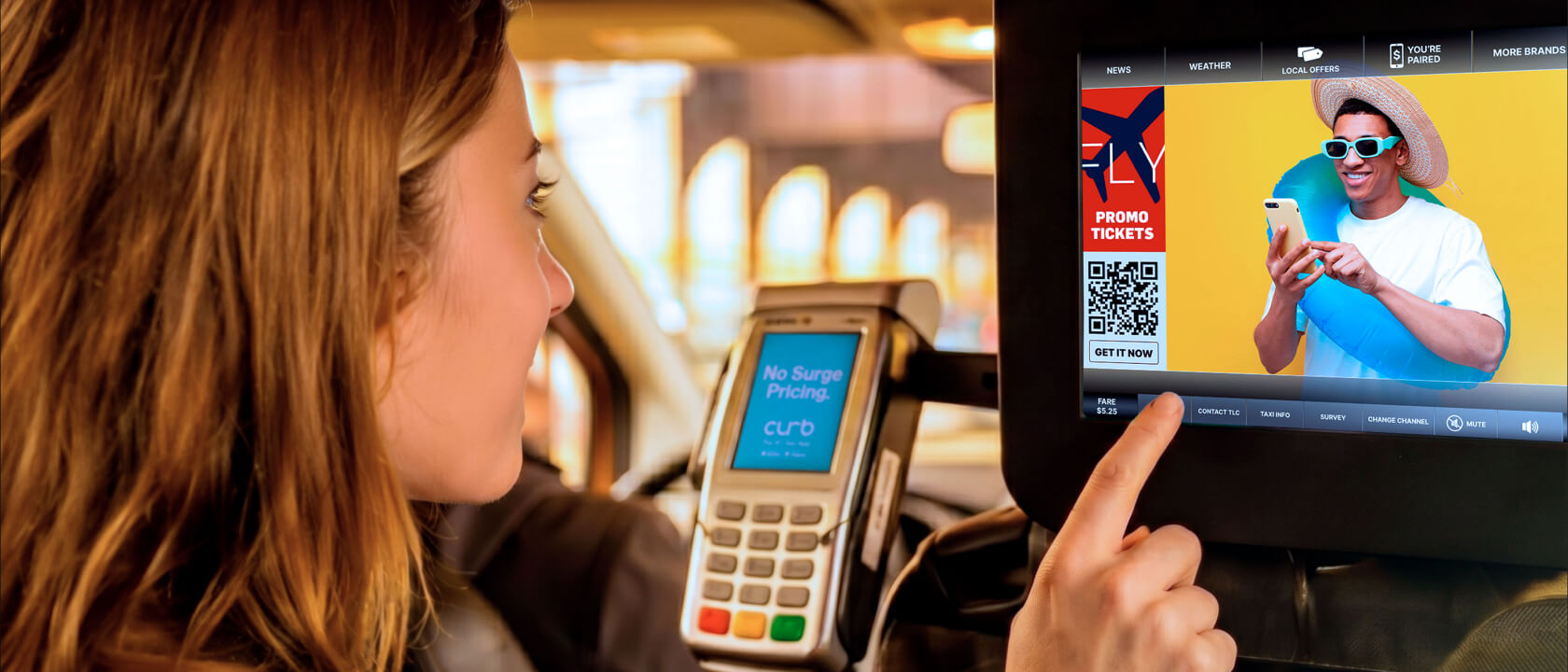
Curb's TaxiTV network is a useful example of how far that shift has gone. Every screen lives inside a GPS-tracked, connected vehicle, which means it can be targeted much the way a retail media or programmatic display placement would be: by geography down to a neighborhood or route, by day-part, by proximity to a point of interest, and by matching a brand's own CRM or first-party data through email and phone matching. It's also available through the same programmatic pipes many buyers already use, including Place Exchange, Vistar, The Trade Desk, Verizon Media, and MediaMath, so a media team running an AI-driven, data-informed plan can add it without a separate manual process.

That kind of addressability is likely to become table stakes for out-of-home more broadly as retail media and AI-driven buying keep pushing advertisers to expect the same precision everywhere their budget goes.

Curb is proud to sponsor Advertising Week New York this year, and our team will be on-site October 5 to 8 at The Penn District to talk about where in-vehicle media fits into your 2027 data strategy. 

‍

‍

Ready to ride?

Download Curb

Retail Media and AI Are Making Out-of-Home Programmatic. Is Your Plan Ready?

September 28, 2026
Blog

Global out-of-home ad spend hit $54.2 billion in 2025, up 15% year over year, and is forecast to reach $56.4 billion in 2026, according to the World Out of Home Organization. The bigger shift is inside that number: digital out-of-home already makes up 47% of global OOH spend and is on pace to cross 49% in 2026, finally giving buyers the kind of addressability that retail media and AI-driven buying have trained them to expect everywhere else.

Two of the biggest shifts in advertising right now — the rise of AI-driven media buying and the growth of retail media networks — are reshaping out-of-home advertising too, faster than most buyers realize.

Retail media, once mostly a story about on-site search ads and sponsored product placements, is expanding into physical and connected environments as retailers and their media arms look for ways to extend first-party data beyond their own apps and websites. It's moving fast: retail media reached 15.4% of global digital ad spend in 2025, up 17.6% year over year, and in the U.S. alone, off-site retail media spend jumped 27.1% to $13.5 billion, per eMarketer.

At the same time, AI-powered platforms are making programmatic buying faster and more automated, letting media teams activate and optimize campaigns across many channels from a single, data-informed workflow.

Out-of-home has historically sat outside both trends. A static billboard can't be targeted by CRM match or optimized in real time. But a growing share of OOH inventory, especially in connected vehicles, has quietly become just as addressable as digital and it's still early: programmatic buying accounts for only about $2.1 billion, or 8.4%, of global DOOH spend today, according to the World Out of Home Organization, which means media teams that move now have a real head start.

Curb's TaxiTV network is a useful example of how far that shift has gone. Every screen lives inside a GPS-tracked, connected vehicle, which means it can be targeted much the way a retail media or programmatic display placement would be: by geography down to a neighborhood or route, by day-part, by proximity to a point of interest, and by matching a brand's own CRM or first-party data through email and phone matching. It's also available through the same programmatic pipes many buyers already use, including Place Exchange, Vistar, The Trade Desk, Verizon Media, and MediaMath, so a media team running an AI-driven, data-informed plan can add it without a separate manual process.

That kind of addressability is likely to become table stakes for out-of-home more broadly as retail media and AI-driven buying keep pushing advertisers to expect the same precision everywhere their budget goes.

Curb is proud to sponsor Advertising Week New York this year, and our team will be on-site October 5 to 8 at The Penn District to talk about where in-vehicle media fits into your 2027 data strategy. 

‍

‍

Ready to ride?

Download Curb

Retail Media and AI Are Making Out-of-Home Programmatic. Is Your Plan Ready?

September 28, 2026
Blog

Global out-of-home ad spend hit $54.2 billion in 2025, up 15% year over year, and is forecast to reach $56.4 billion in 2026, according to the World Out of Home Organization. The bigger shift is inside that number: digital out-of-home already makes up 47% of global OOH spend and is on pace to cross 49% in 2026, finally giving buyers the kind of addressability that retail media and AI-driven buying have trained them to expect everywhere else.

Two of the biggest shifts in advertising right now — the rise of AI-driven media buying and the growth of retail media networks — are reshaping out-of-home advertising too, faster than most buyers realize.

Retail media, once mostly a story about on-site search ads and sponsored product placements, is expanding into physical and connected environments as retailers and their media arms look for ways to extend first-party data beyond their own apps and websites. It's moving fast: retail media reached 15.4% of global digital ad spend in 2025, up 17.6% year over year, and in the U.S. alone, off-site retail media spend jumped 27.1% to $13.5 billion, per eMarketer.

At the same time, AI-powered platforms are making programmatic buying faster and more automated, letting media teams activate and optimize campaigns across many channels from a single, data-informed workflow.

Out-of-home has historically sat outside both trends. A static billboard can't be targeted by CRM match or optimized in real time. But a growing share of OOH inventory, especially in connected vehicles, has quietly become just as addressable as digital and it's still early: programmatic buying accounts for only about $2.1 billion, or 8.4%, of global DOOH spend today, according to the World Out of Home Organization, which means media teams that move now have a real head start.

Curb's TaxiTV network is a useful example of how far that shift has gone. Every screen lives inside a GPS-tracked, connected vehicle, which means it can be targeted much the way a retail media or programmatic display placement would be: by geography down to a neighborhood or route, by day-part, by proximity to a point of interest, and by matching a brand's own CRM or first-party data through email and phone matching. It's also available through the same programmatic pipes many buyers already use, including Place Exchange, Vistar, The Trade Desk, Verizon Media, and MediaMath, so a media team running an AI-driven, data-informed plan can add it without a separate manual process.

That kind of addressability is likely to become table stakes for out-of-home more broadly as retail media and AI-driven buying keep pushing advertisers to expect the same precision everywhere their budget goes.

Curb is proud to sponsor Advertising Week New York this year, and our team will be on-site October 5 to 8 at The Penn District to talk about where in-vehicle media fits into your 2027 data strategy. 

‍

‍