Summer Is the Season for Bold Advertising — Here's How to Make Every Ride Count

June 15, 2026
Blog

Summer travel season is here, and if you're an advertiser, the data is hard to ignore.

The Summer TaxiTV Audience Is Not Average

Sixty percent of Curb TaxiTV riders have a household income of $100,000 or more. One third of NYC riders fall between the ages of 25 and 34. And according to a Mastercard Advisors analysis of Curb rider spending, these are consumers who heavily index on travel, hospitality, entertainment, and dining — the exact categories that peak in summer.

This is not a broad, passive audience. It is a high-income, mobile-native, purchase-ready one. And in July and August, they are riding more, spending more, and heading somewhere worth advertising toward.

The Format Captures What Other Channels Cannot

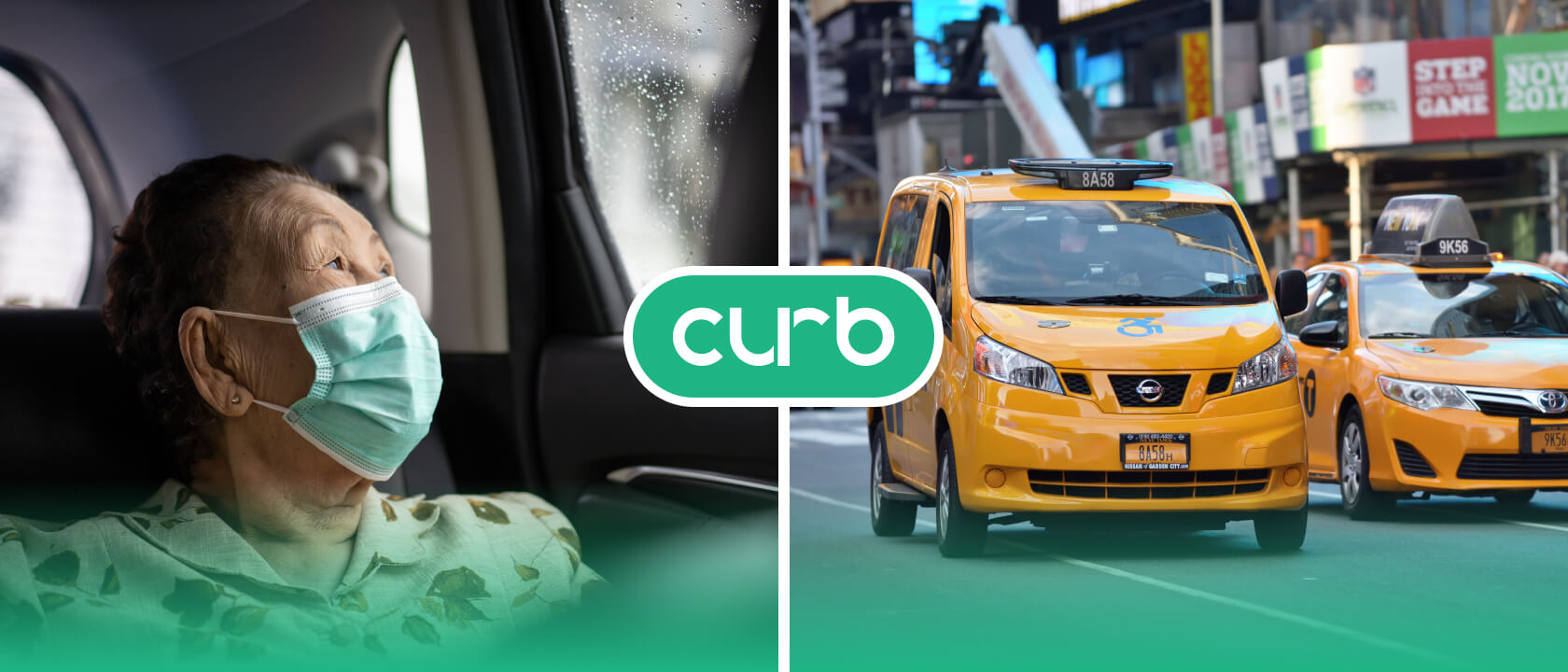
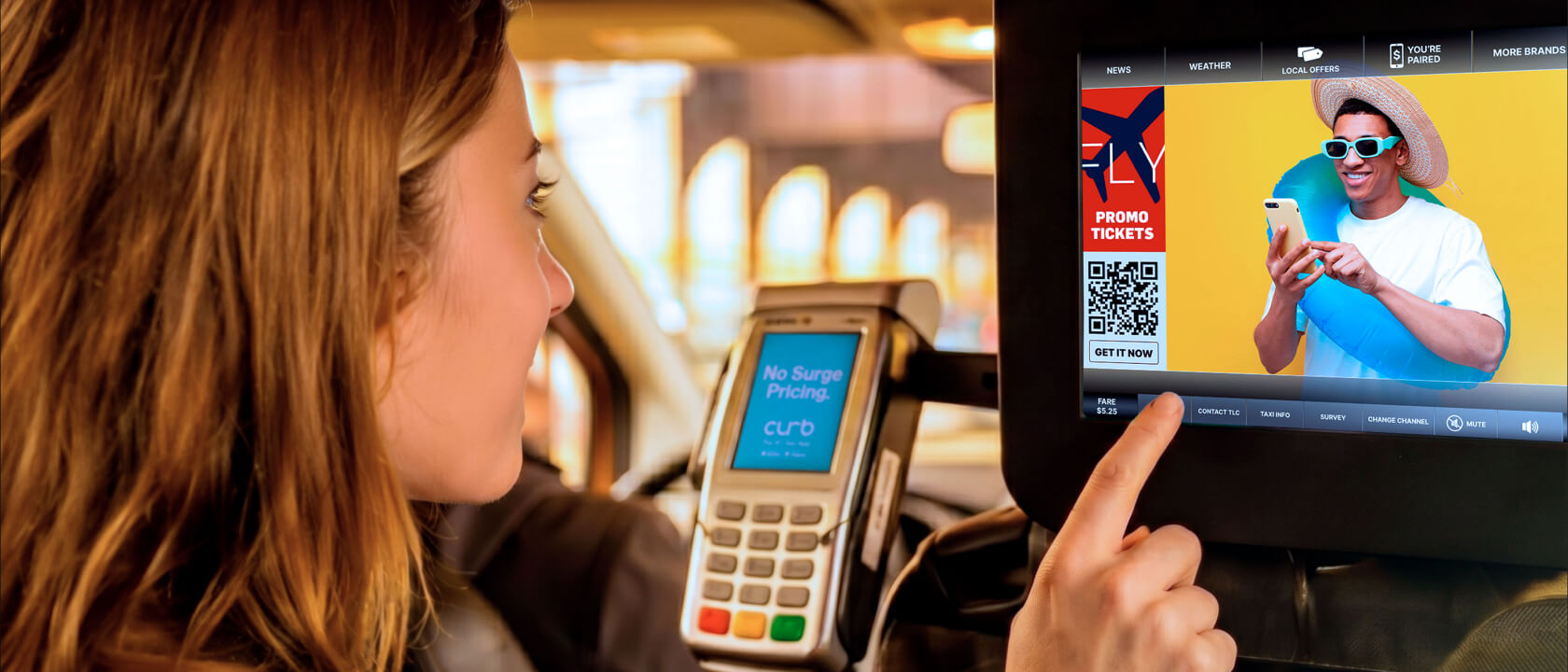
The thing that separates TaxiTV from most media formats is the ride itself. The average Curb ride is 10 to 20 minutes long. There is no feed to scroll, no content to skip, no second screen competing for attention. According to Nielsen's Digital Transit Advertising Report, 76% of taxi interior ad viewers look at the screen all or most of the time. That is not a reach number. That is an engagement number, and it is among the highest recorded across all digital out-of-home formats.

Nielsen ranked TaxiTV #1 in DOOH for ad recall, with a 68% recall rate. For context, the national average for digital display sits well below 50%.

The combination of format and audience explains why 67% of riders take mobile action after seeing a TaxiTV ad. Not after a campaign. After a single impression.

Summer Rider Behavior Is Consistent and Measurable

Advertiser performance on TaxiTV follows a clear pattern in the summer months. Riders heading to airports, hotels, concerts, and restaurants are already in a transactional mindset. They are not browsing. They are going somewhere, and they are about to spend money when they get there.

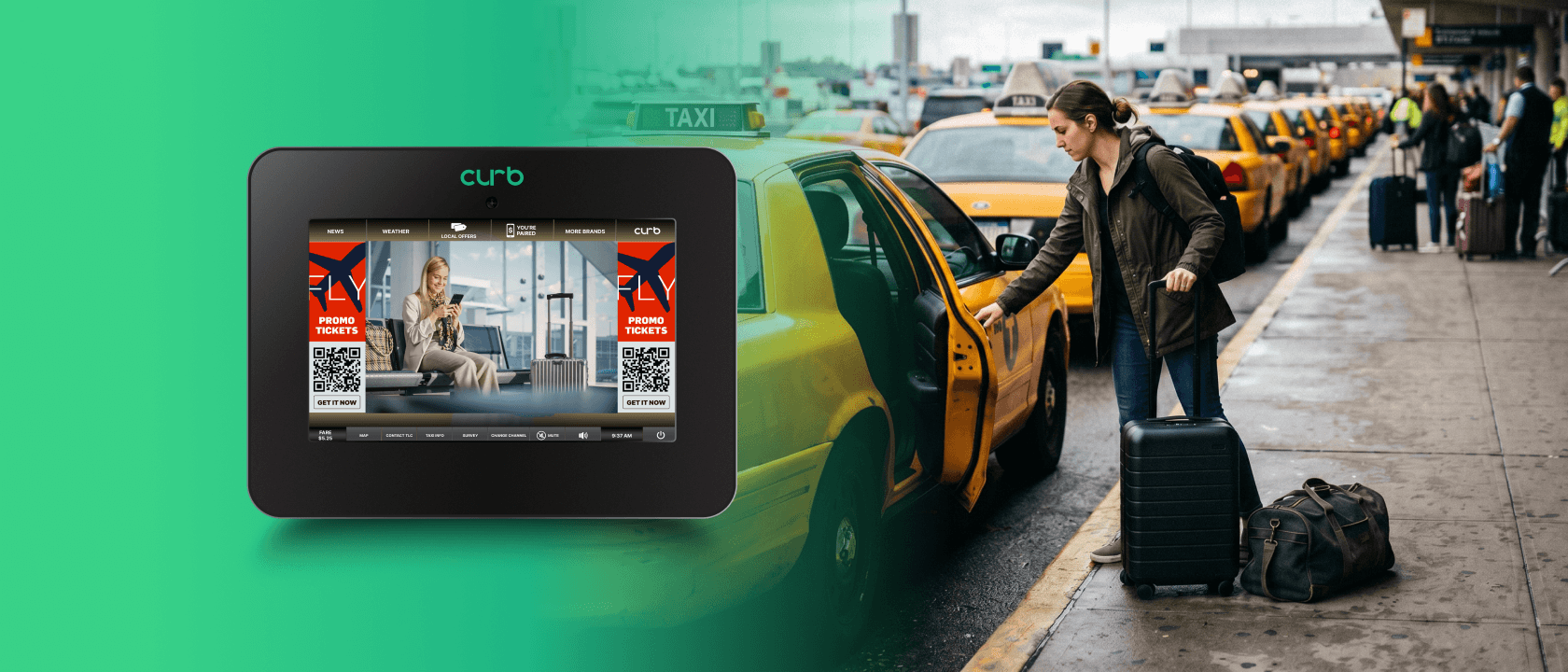
This proximity to purchase matters. Nielsen found that when a transit ad motivated an immediate visit to a business, a purchase occurred 89% of the time. Fifty-three percent of Curb riders scanned a QR code in the past month. These are not passive viewers. They are ready to act, and the screen in front of them is their last brand touchpoint before they arrive.

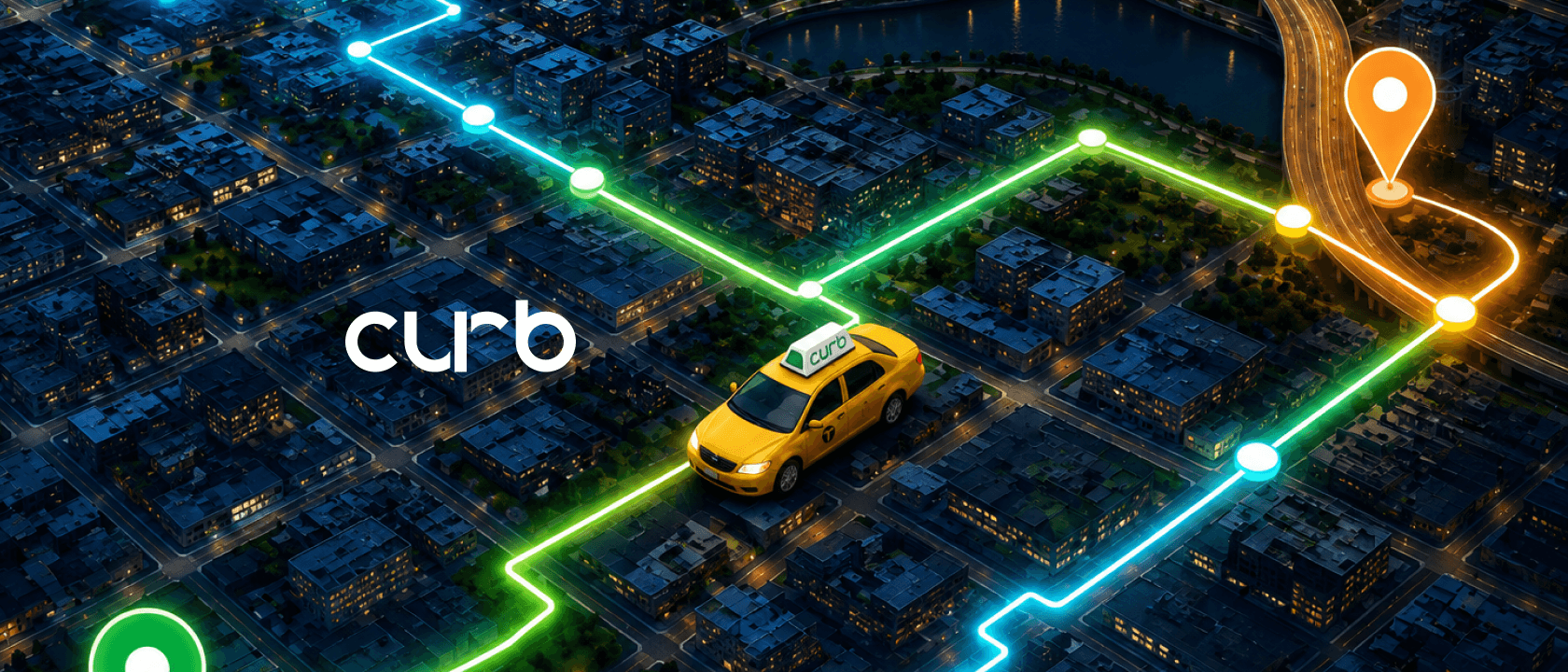
Summer also opens extended evening and weekend inventory, when ride volume climbs and riders are heading out rather than commuting. Geo-targeting and day-parting let brands follow that behavior precisely, reaching riders near specific venues, neighborhoods, or points of interest in real time.

Reach us at ads@gocurb.com or click below to see available summer inventory.

Ready to ride?

Download Curb

Summer Is the Season for Bold Advertising — Here's How to Make Every Ride Count

June 15, 2026
Blog

Summer travel season is here, and if you're an advertiser, the data is hard to ignore.

The Summer TaxiTV Audience Is Not Average

Sixty percent of Curb TaxiTV riders have a household income of $100,000 or more. One third of NYC riders fall between the ages of 25 and 34. And according to a Mastercard Advisors analysis of Curb rider spending, these are consumers who heavily index on travel, hospitality, entertainment, and dining — the exact categories that peak in summer.

This is not a broad, passive audience. It is a high-income, mobile-native, purchase-ready one. And in July and August, they are riding more, spending more, and heading somewhere worth advertising toward.

The Format Captures What Other Channels Cannot

The thing that separates TaxiTV from most media formats is the ride itself. The average Curb ride is 10 to 20 minutes long. There is no feed to scroll, no content to skip, no second screen competing for attention. According to Nielsen's Digital Transit Advertising Report, 76% of taxi interior ad viewers look at the screen all or most of the time. That is not a reach number. That is an engagement number, and it is among the highest recorded across all digital out-of-home formats.

Nielsen ranked TaxiTV #1 in DOOH for ad recall, with a 68% recall rate. For context, the national average for digital display sits well below 50%.

The combination of format and audience explains why 67% of riders take mobile action after seeing a TaxiTV ad. Not after a campaign. After a single impression.

Summer Rider Behavior Is Consistent and Measurable

Advertiser performance on TaxiTV follows a clear pattern in the summer months. Riders heading to airports, hotels, concerts, and restaurants are already in a transactional mindset. They are not browsing. They are going somewhere, and they are about to spend money when they get there.

This proximity to purchase matters. Nielsen found that when a transit ad motivated an immediate visit to a business, a purchase occurred 89% of the time. Fifty-three percent of Curb riders scanned a QR code in the past month. These are not passive viewers. They are ready to act, and the screen in front of them is their last brand touchpoint before they arrive.

Summer also opens extended evening and weekend inventory, when ride volume climbs and riders are heading out rather than commuting. Geo-targeting and day-parting let brands follow that behavior precisely, reaching riders near specific venues, neighborhoods, or points of interest in real time.

Reach us at ads@gocurb.com or click below to see available summer inventory.

Ready to ride?

Download Curb

Summer Is the Season for Bold Advertising — Here's How to Make Every Ride Count

June 15, 2026
Blog

Summer travel season is here, and if you're an advertiser, the data is hard to ignore.

The Summer TaxiTV Audience Is Not Average

Sixty percent of Curb TaxiTV riders have a household income of $100,000 or more. One third of NYC riders fall between the ages of 25 and 34. And according to a Mastercard Advisors analysis of Curb rider spending, these are consumers who heavily index on travel, hospitality, entertainment, and dining — the exact categories that peak in summer.

This is not a broad, passive audience. It is a high-income, mobile-native, purchase-ready one. And in July and August, they are riding more, spending more, and heading somewhere worth advertising toward.

The Format Captures What Other Channels Cannot

The thing that separates TaxiTV from most media formats is the ride itself. The average Curb ride is 10 to 20 minutes long. There is no feed to scroll, no content to skip, no second screen competing for attention. According to Nielsen's Digital Transit Advertising Report, 76% of taxi interior ad viewers look at the screen all or most of the time. That is not a reach number. That is an engagement number, and it is among the highest recorded across all digital out-of-home formats.

Nielsen ranked TaxiTV #1 in DOOH for ad recall, with a 68% recall rate. For context, the national average for digital display sits well below 50%.

The combination of format and audience explains why 67% of riders take mobile action after seeing a TaxiTV ad. Not after a campaign. After a single impression.

Summer Rider Behavior Is Consistent and Measurable

Advertiser performance on TaxiTV follows a clear pattern in the summer months. Riders heading to airports, hotels, concerts, and restaurants are already in a transactional mindset. They are not browsing. They are going somewhere, and they are about to spend money when they get there.

This proximity to purchase matters. Nielsen found that when a transit ad motivated an immediate visit to a business, a purchase occurred 89% of the time. Fifty-three percent of Curb riders scanned a QR code in the past month. These are not passive viewers. They are ready to act, and the screen in front of them is their last brand touchpoint before they arrive.

Summer also opens extended evening and weekend inventory, when ride volume climbs and riders are heading out rather than commuting. Geo-targeting and day-parting let brands follow that behavior precisely, reaching riders near specific venues, neighborhoods, or points of interest in real time.

Reach us at ads@gocurb.com or click below to see available summer inventory.