
.png)
Growing paratransit access usually comes with a familiar tradeoff: more riders served means more dispatchers, more vehicles, and more call center staff to manage them. For agencies without room in the budget for that kind of scale-up, growth stalls right when demand is highest, unless the dispatch, call center, and billing are handled by someone else entirely.
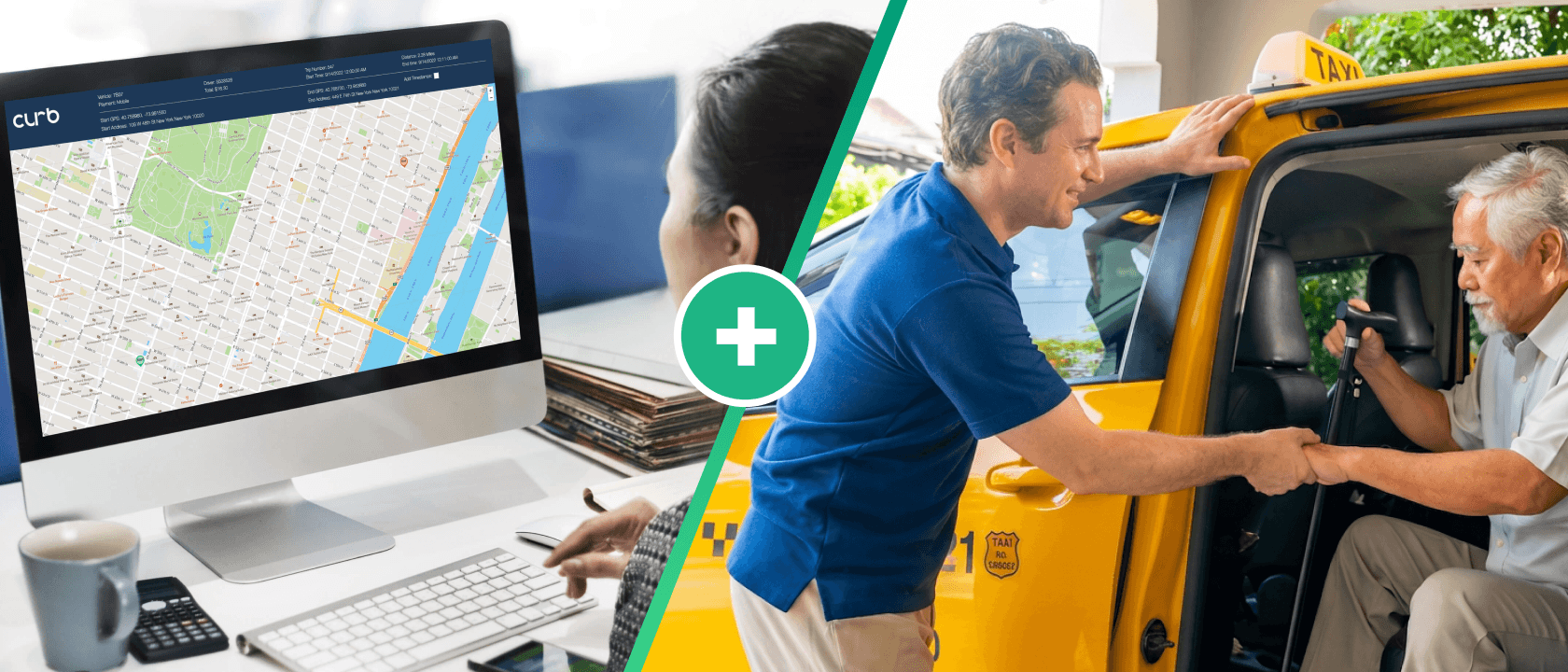
That's the model transit agencies from New York to Washington, D.C. have relied on to grow ADA and demand-responsive service without building the capacity themselves. Curb Paratransit manages the program end to end: riders book through the app, web portal, phone, or API, with 24/7 IVR and live agent support behind every trip.
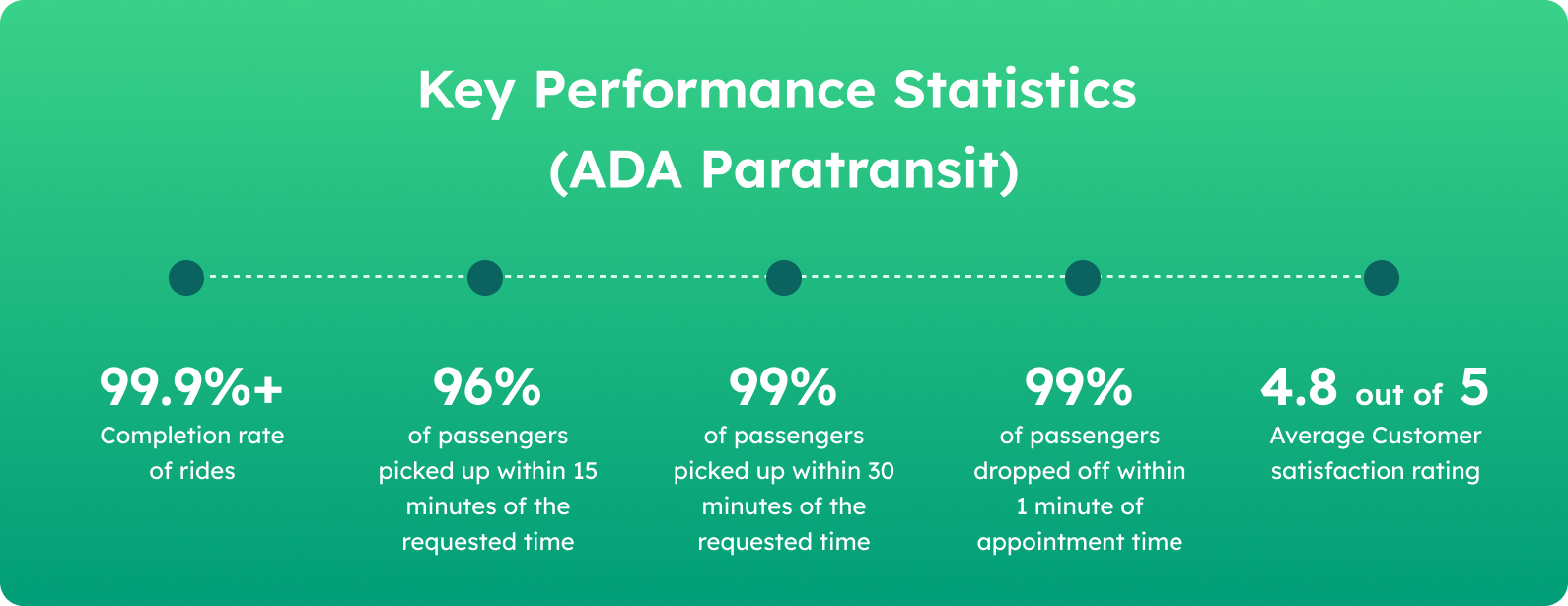
That performance shows up city by city. New York City used the model to become the first place taxis served as paratransit, and now completes more than 5.4 million rides a year, up to 10,000 a day.
Washington, D.C. has run WMATA's Abilities Ride program through Curb since 2017, handling 200 to 350 trips daily with round-the-clock support. And in Boston, Curb serves the MBTA's On-Demand Paratransit Pilot and RIDE program at up to 91% completion and 90% on-time performance.
Curb is honored to sponsor the International Association of Transportation Regulators’ (IATR) 39th Annual Conference, September 14–17 in Las Vegas. Meet us there to discuss how centralized WAV dispatch might fit your city.


.png)

.png)





---Optimized.jpg)







.jpg)


.jpg)


