Curb Mobility Is Heading to Las Vegas as Official Sponsor for IATR’s 39th Annual Conference

September 2, 2026
Blog

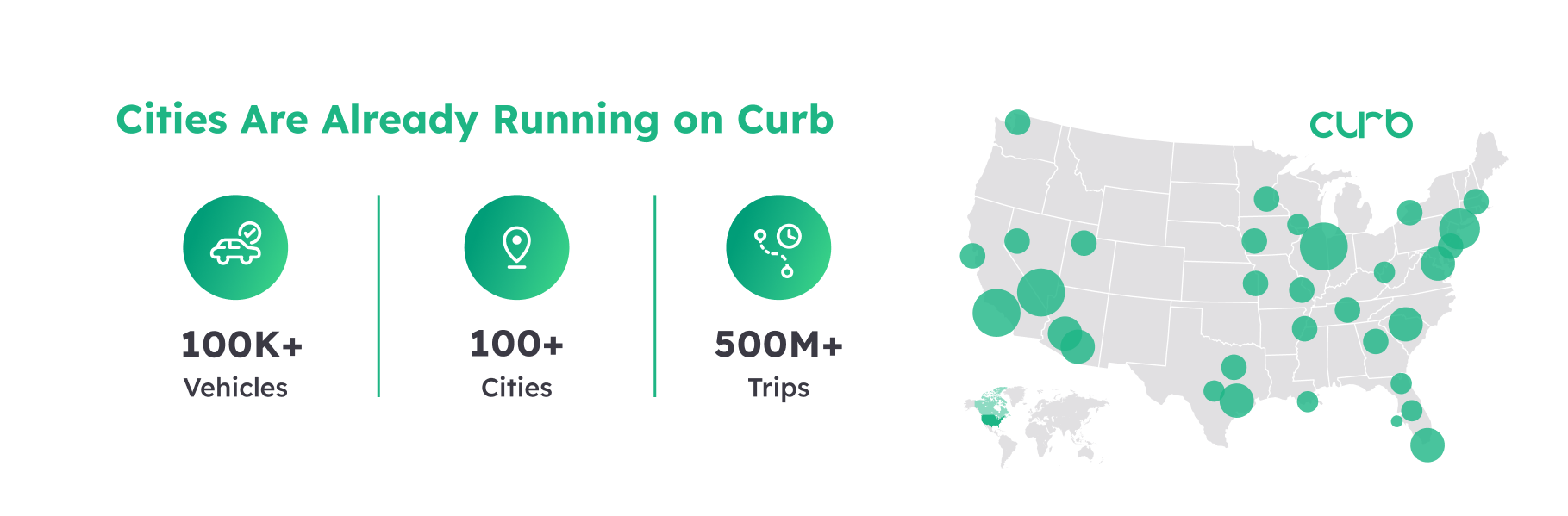
Curb is thrilled to sponsor the 39th Annual Conference of the International Association of Transportation Regulators (IATR). For 25+ years, Curb has been building technology that puts drivers first, from the digital meters and dispatch tools that modernized the taxi industry to the connected platform drivers and fleets rely on today.

As the mobility landscape shifts, Curb's focus stays the same: giving drivers more ways to earn, fleets the tools to keep them on the road, and regulators the compliance data they need. One connected suite. The infrastructure cities need but don't have to operate themselves.
What Cities Need, When They Need It

Curb's combination of technology and operations, and a proven ability to respond when city needs change, makes it a partner regulators can build on, not just a vendor they manage: increasing transportation equity for the riders who need it most, without adding infrastructure or overhead costs for the cities and agencies that serve them.

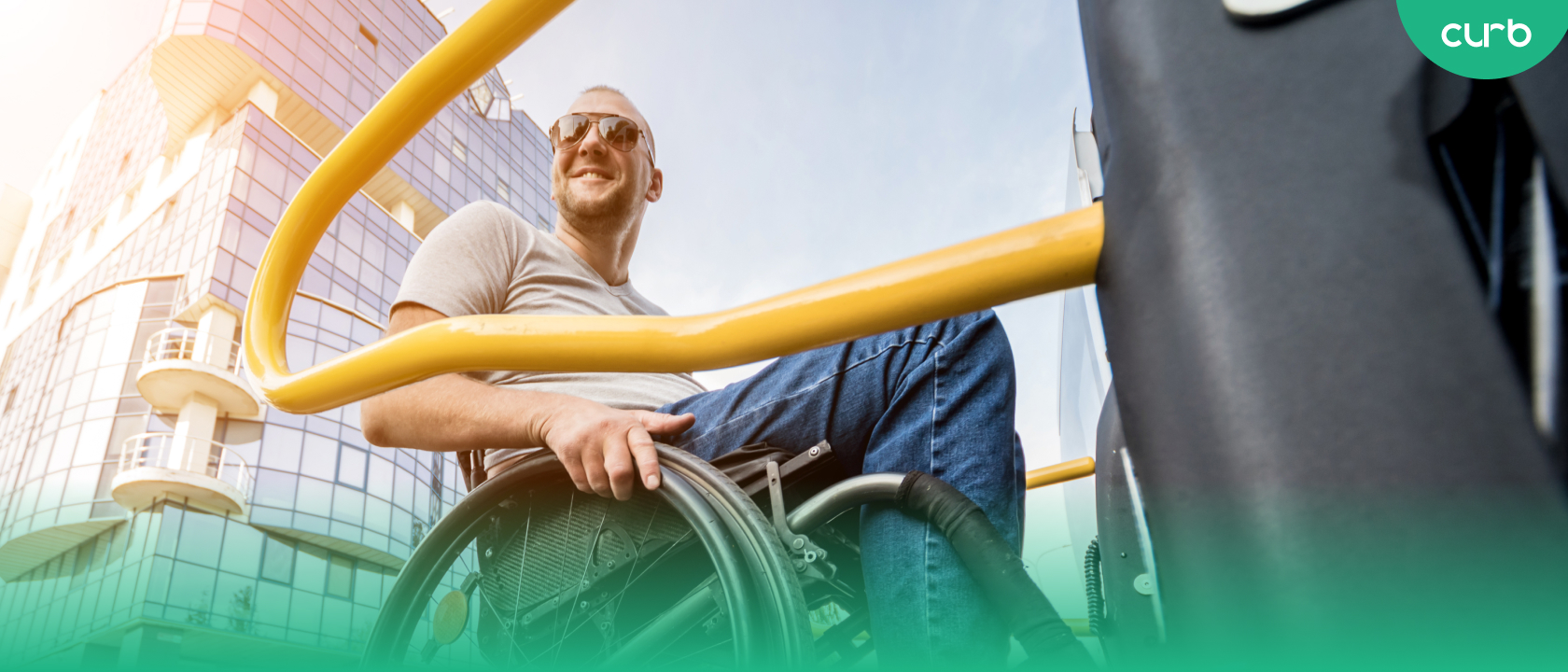
Not every rider can use a standard vehicle, and most cities don't have the infrastructure to guarantee they don't have to. Curb closes that gap by managing the entire program end to end, dispatch, call center, and IVR, so cities can expand accessible transportation without building or staffing a single new system. Chicago runs its Centralized Wheelchair Accessible Vehicle Dispatch Service entirely through Curb this way, giving riders reliable, on-demand access to accessible rides.

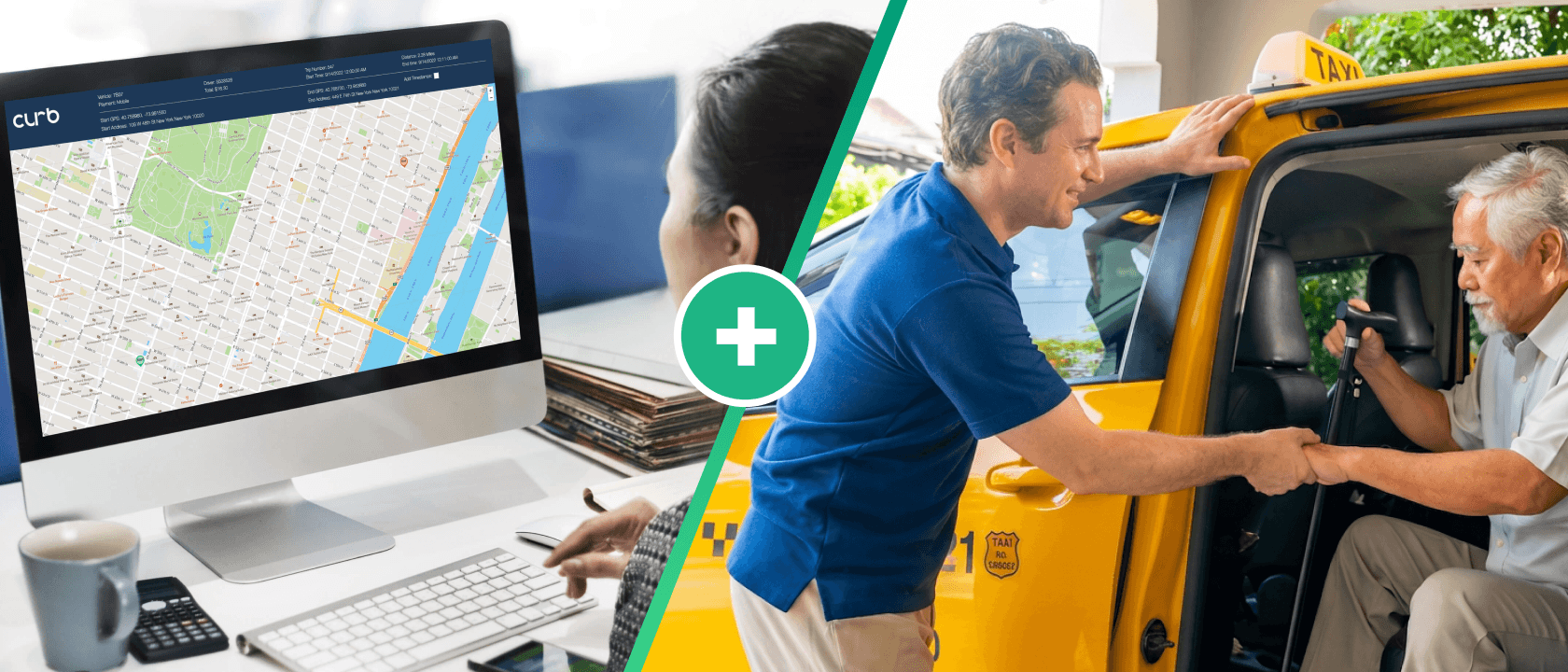
Meeting new data and reporting mandates is another challenge entirely, one that usually means new systems and new spend. Los Angeles avoids both by integrating directly with Curb on the backend, satisfying all five Mobility Data Specification requirements, from fleet registration to accessibility reporting, without disrupting how operators already work or adding cost to the city.

Expanding paratransit service usually means expanding overhead too, unless the dispatch, call center, and billing are handled by someone else entirely. Curb Paratransit takes on that full program end to end so agencies don't have to build the capacity themselves. Washington, DC has relied on this model to run WMATA's Abilities Ride program since 2017, and New York City used it to become the first place taxis served as paratransit, now completing rides at a 99%+ rate.
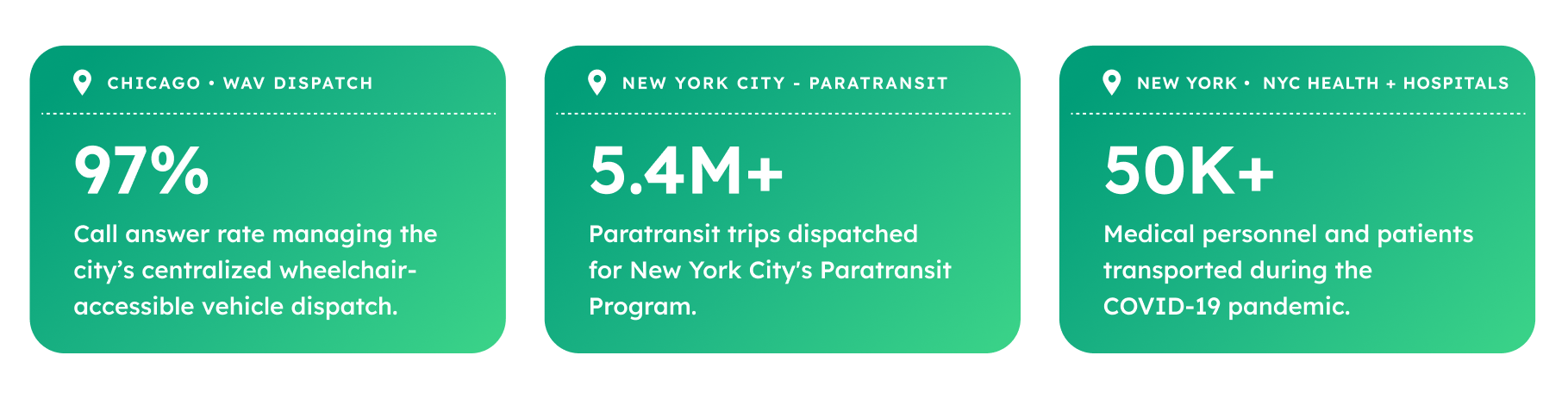
And when cities need transportation fast, Curb has been the partner they call: moving medical personnel for NYC Health + Hospitals, standing up emergency transportation for NYC's Office of Emergency Management in as little as 72 hours, getting poll workers to the polls for the NYC Board of Elections, and helping Chicago Public Schools get students to class when bus service falls short.

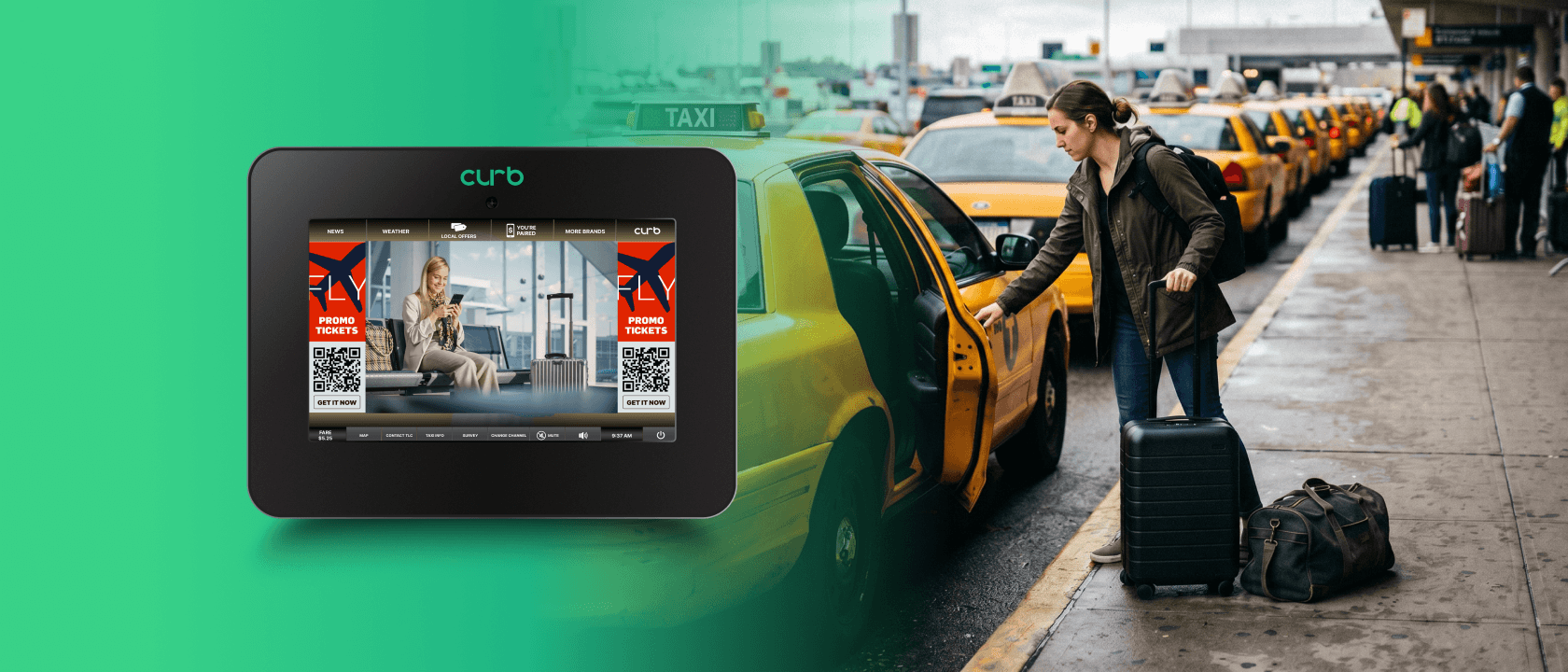
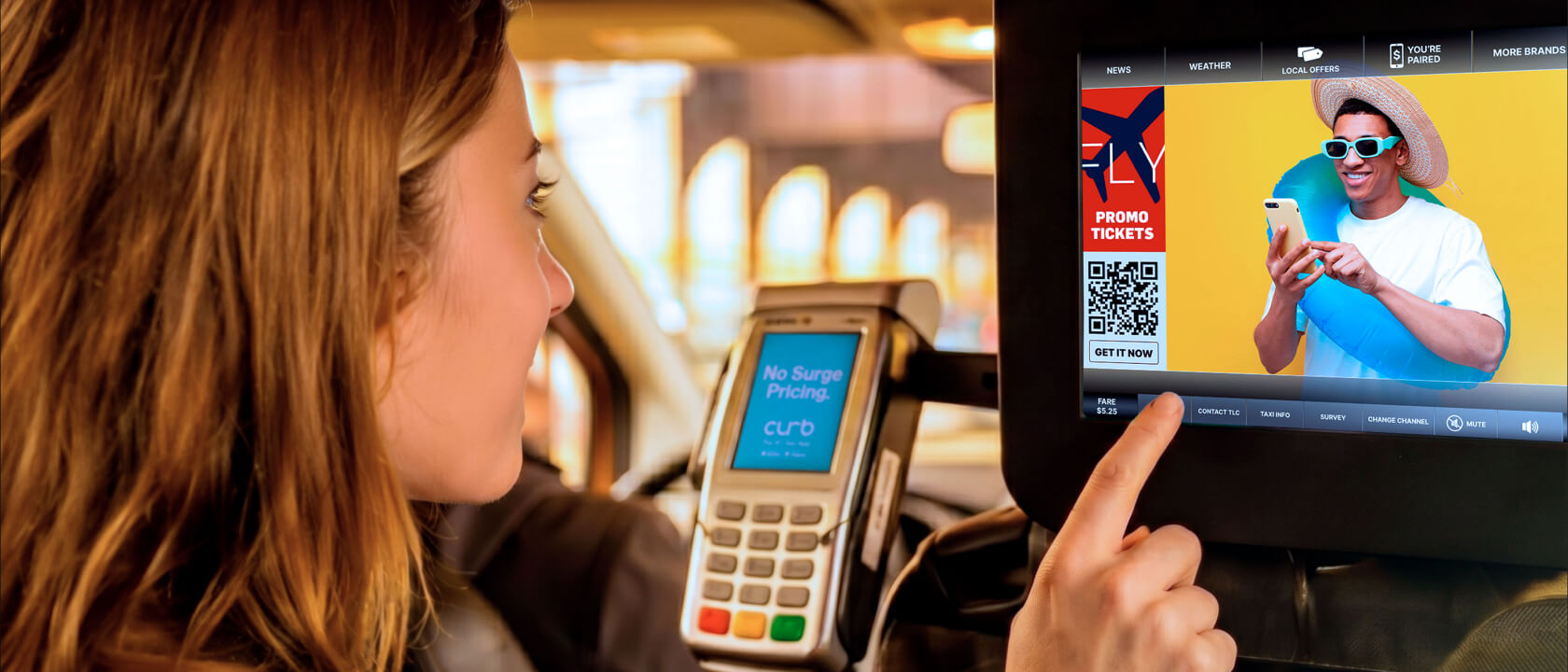
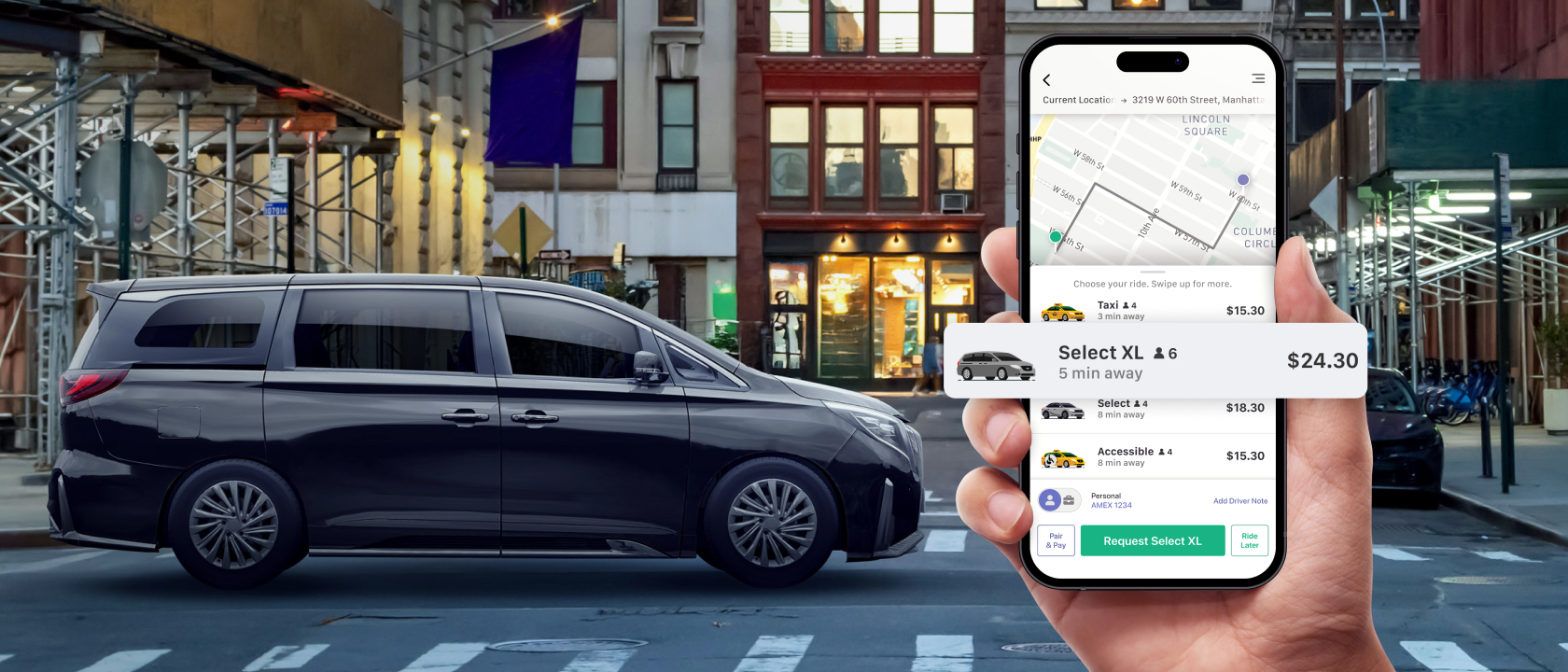
None of this runs without the platform & technology underneath it. Curb Flow, Curb's ride-hailing marketplace, unifies street hails, fleet dispatch, app bookings, and other demand into one connected network that's grown 4x since its 2023 launch.

Meet Curb at IATR 2026

Join us in Las Vegas, September 14–17, to connect with Curb throughout the conference. We look forward to doing live demos and discussing firsthand how Curb’s solutions are enhancing urban mobility and keeping cities moving.

Learn More at www.gocurb.com.
Ready to ride?

Download Curb

Curb Mobility Is Heading to Las Vegas as Official Sponsor for IATR’s 39th Annual Conference

September 2, 2026
Blog

Curb is thrilled to sponsor the 39th Annual Conference of the International Association of Transportation Regulators (IATR). For 25+ years, Curb has been building technology that puts drivers first, from the digital meters and dispatch tools that modernized the taxi industry to the connected platform drivers and fleets rely on today.

As the mobility landscape shifts, Curb's focus stays the same: giving drivers more ways to earn, fleets the tools to keep them on the road, and regulators the compliance data they need. One connected suite. The infrastructure cities need but don't have to operate themselves.

What Cities Need, When They Need It

Curb's combination of technology and operations, and a proven ability to respond when city needs change, makes it a partner regulators can build on, not just a vendor they manage: increasing transportation equity for the riders who need it most, without adding infrastructure or overhead costs for the cities and agencies that serve them.

Not every rider can use a standard vehicle, and most cities don't have the infrastructure to guarantee they don't have to. Curb closes that gap by managing the entire program end to end, dispatch, call center, and IVR, so cities can expand accessible transportation without building or staffing a single new system. Chicago runs its Centralized Wheelchair Accessible Vehicle Dispatch Service entirely through Curb this way, giving riders reliable, on-demand access to accessible rides.

Meeting new data and reporting mandates is another challenge entirely, one that usually means new systems and new spend. Los Angeles avoids both by integrating directly with Curb on the backend, satisfying all five Mobility Data Specification requirements, from fleet registration to accessibility reporting, without disrupting how operators already work or adding cost to the city.

Expanding paratransit service usually means expanding overhead too, unless the dispatch, call center, and billing are handled by someone else entirely. Curb Paratransit takes on that full program end to end so agencies don't have to build the capacity themselves. Washington, DC has relied on this model to run WMATA's Abilities Ride program since 2017, and New York City used it to become the first place taxis served as paratransit, now completing rides at a 99%+ rate.

And when cities need transportation fast, Curb has been the partner they call: moving medical personnel for NYC Health + Hospitals, standing up emergency transportation for NYC's Office of Emergency Management in as little as 72 hours, getting poll workers to the polls for the NYC Board of Elections, and helping Chicago Public Schools get students to class when bus service falls short.

None of this runs without the platform & technology underneath it. Curb Flow, Curb's ride-hailing marketplace, unifies street hails, fleet dispatch, app bookings, and other demand into one connected network that's grown 4x since its 2023 launch.

Meet Curb at IATR 2026

Join us in Las Vegas, September 14–17, to connect with Curb throughout the conference. We look forward to doing live demos and discussing firsthand how Curb’s solutions are enhancing urban mobility and keeping cities moving.

Learn More at www.gocurb.com.

Ready to ride?

Download Curb

Curb Mobility Is Heading to Las Vegas as Official Sponsor for IATR’s 39th Annual Conference

September 2, 2026
Blog

Curb is thrilled to sponsor the 39th Annual Conference of the International Association of Transportation Regulators (IATR). For 25+ years, Curb has been building technology that puts drivers first, from the digital meters and dispatch tools that modernized the taxi industry to the connected platform drivers and fleets rely on today.

As the mobility landscape shifts, Curb's focus stays the same: giving drivers more ways to earn, fleets the tools to keep them on the road, and regulators the compliance data they need. One connected suite. The infrastructure cities need but don't have to operate themselves.

What Cities Need, When They Need It

Curb's combination of technology and operations, and a proven ability to respond when city needs change, makes it a partner regulators can build on, not just a vendor they manage: increasing transportation equity for the riders who need it most, without adding infrastructure or overhead costs for the cities and agencies that serve them.

Not every rider can use a standard vehicle, and most cities don't have the infrastructure to guarantee they don't have to. Curb closes that gap by managing the entire program end to end, dispatch, call center, and IVR, so cities can expand accessible transportation without building or staffing a single new system. Chicago runs its Centralized Wheelchair Accessible Vehicle Dispatch Service entirely through Curb this way, giving riders reliable, on-demand access to accessible rides.

Meeting new data and reporting mandates is another challenge entirely, one that usually means new systems and new spend. Los Angeles avoids both by integrating directly with Curb on the backend, satisfying all five Mobility Data Specification requirements, from fleet registration to accessibility reporting, without disrupting how operators already work or adding cost to the city.

Expanding paratransit service usually means expanding overhead too, unless the dispatch, call center, and billing are handled by someone else entirely. Curb Paratransit takes on that full program end to end so agencies don't have to build the capacity themselves. Washington, DC has relied on this model to run WMATA's Abilities Ride program since 2017, and New York City used it to become the first place taxis served as paratransit, now completing rides at a 99%+ rate.

And when cities need transportation fast, Curb has been the partner they call: moving medical personnel for NYC Health + Hospitals, standing up emergency transportation for NYC's Office of Emergency Management in as little as 72 hours, getting poll workers to the polls for the NYC Board of Elections, and helping Chicago Public Schools get students to class when bus service falls short.

None of this runs without the platform & technology underneath it. Curb Flow, Curb's ride-hailing marketplace, unifies street hails, fleet dispatch, app bookings, and other demand into one connected network that's grown 4x since its 2023 launch.

Meet Curb at IATR 2026

Join us in Las Vegas, September 14–17, to connect with Curb throughout the conference. We look forward to doing live demos and discussing firsthand how Curb’s solutions are enhancing urban mobility and keeping cities moving.

Learn More at www.gocurb.com.